
August 9, 2022
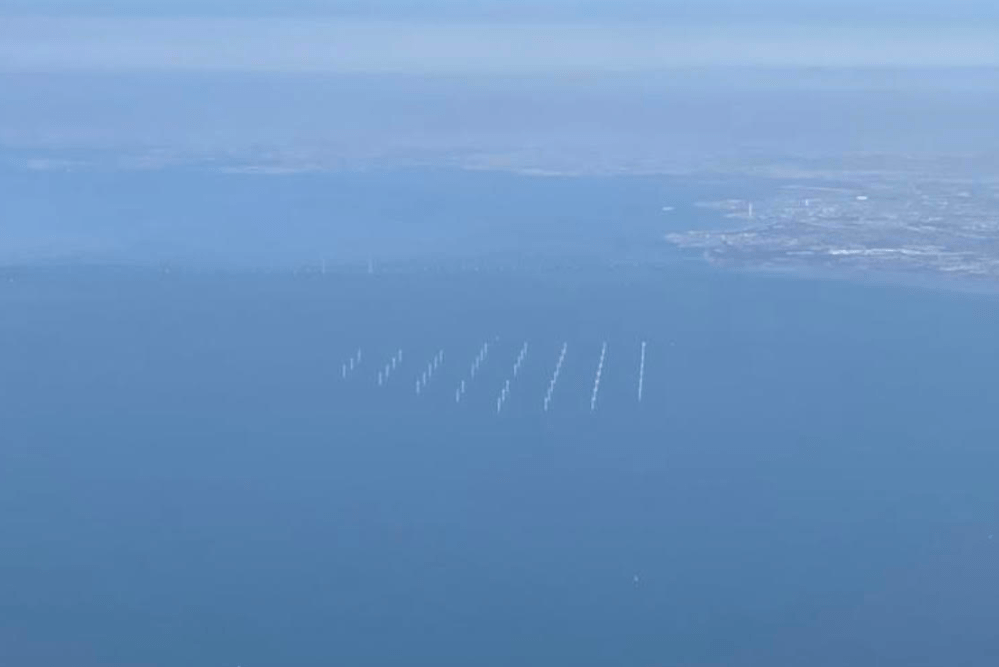
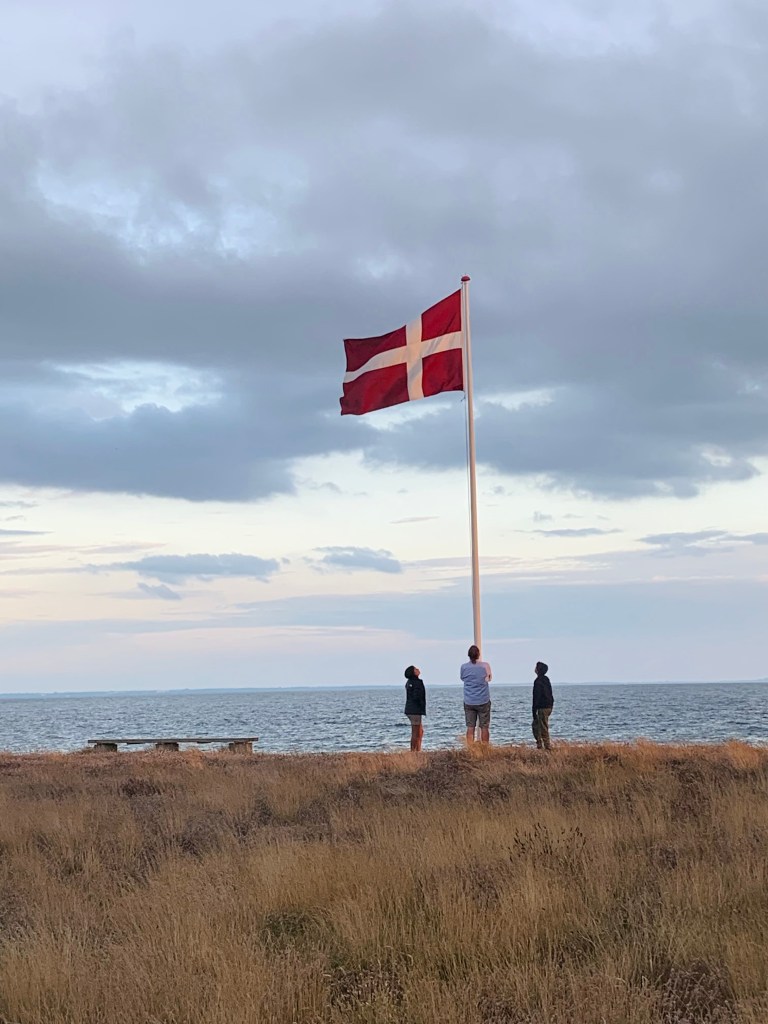
During my outing to the beach in Denmark, I noticed that in the distance there were many windmills; this made me very curious. Why were these farms not on land? How effective was this system? What were the pros and cons? I was determined to learn more about this method. Offshore wind farms are a system used to generate electricity by installing turbines in the water, mostly seas. Denmark has the longest experience with offshore wind power. The primary trial was in shallow waters and suggested that regardless of being harder to access and install, this is an approach to put the near-constant wind to functional use. The first farm was then constructed in 1991.
Currently, Denmark has about 13 offshore farms. 47% of all Danish power is from wind farms. These offshore turbines are very efficient compared to those on land for a few reasons. Wind over the sea is steady, which is highly reliable. Additionally, this wind also blows in the same direction; fewer turbines are needed for the same amount of energy.
However, there are also some downsides to this process. The farms are harder to maintain and build, which requires more money too. High wind speeds and hurricanes can easily do damage. The effects on marine life and birds are currently not fully understood. Despite these potential drawbacks, off-shore wind power remains a promising technology.
Many countries are taking Denmark’s lead in these farms. If funds are available, wind turbines are an effective way to generate power. The idea is still being improved and studied but thus far, offshore farms have been found to be a viable system for power.
 Navagations