August 1, 2022
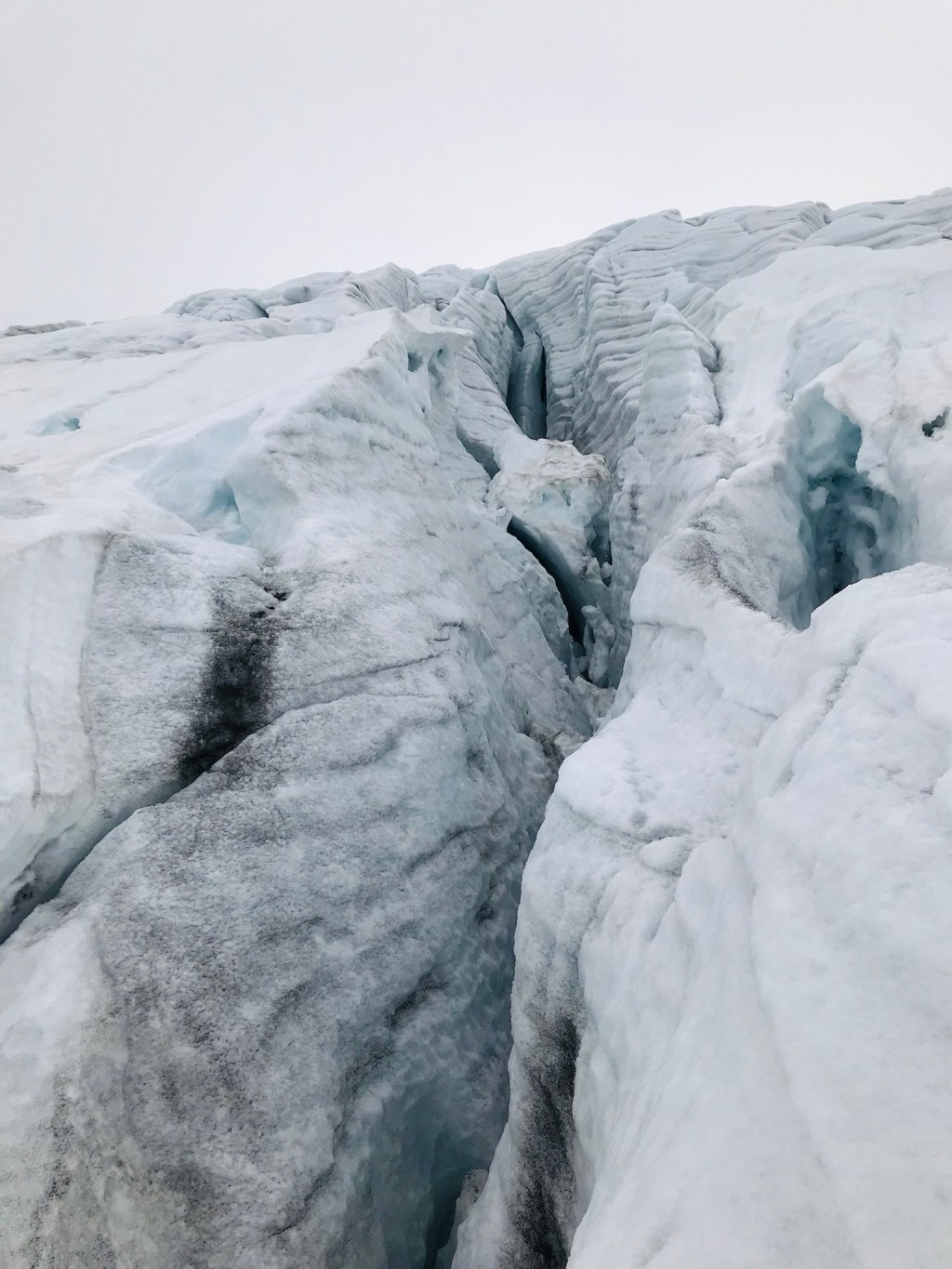
When I knew I was going to spend a few weeks in Iceland during a carbon capture program, one of the things I was most excited about was hiking up the glacier-clad volcano called Snæfellsjökull. I had experienced snow and mountains before, but this was a different league. The experience was a wild and beautiful one, but what made the strongest impression on me was when my guide told me that the glacier would be gone in 30 years. Most of the time, I don’t feel the immediate impact of climate change, but it felt pretty close in this case.
Glaciers are persistent bodies of dense ice made when the rate of snowfall is consistently greater than the rate the snow melts. However, with climate change, the glaciers are melting at a more rapid pace during the summer than the possible recovery during the winter. Learning that the beautiful 700,000-year-old glacier would be gone in 30 years was awful to hear.
750 square kilometers of Icelandic glaciers have perished since the year 2000. This melting is linked to many future consequences. One problem is the further increase in temperature around glacial melting. This is because of the glacier’s albedo, the amount of light absorbed and reflected off a surface. Due to the white color of snow and ice, glaciers have a very high albedo. This allows more sunlight to return into the atmosphere, keeping the area at a cool temperature. When a glacier melts, dark solid rock and soil called a moraine is left behind. This lowers the overall albedo, provoking a warmer planet.
Another concern is the source of drinking water for the Icelanders. Three-fourths of freshwater is stored in glacial ice – the second largest reservoir of water on Earth. Naturally, every summer, a little bit of the Snæfellsjökull glacier melts, providing the Icelandic people with drinking water. However, eventually, there will be no glaciers to provide a freshwater source for inhabitants.
What really had an impact on me was the fact that future generations will not have the chance to enjoy Iceland’s natural beauty. As I stood at the bottom of the snow-covered mountains I was in awe. I was about to hike up such a wonderful part of nature, an enormous chunk of snow and ice; that was amazing to me. Realizing that future generations will have limited access to these memorable experiences left me feeling both angry and sad.
When I heard how soon the glacier is predicted to disappear, all I could think about was how much climate change is impacting our world. The major effects felt right around the corner. At this moment in time, there is nothing that can recover these glaciers: they will be lost forever, a realization that made me feel helpless.
On the other hand, all of Iceland’s energy comes from renewable sources. The nation is 70% geothermal and 30% hydroelectric; they aim for carbon neutrality by 2040. Although the glacial damage is too big to reverse, I know that as a country, Iceland is doing a lot to fight climate change in the future.

 Navagations